
Hybrid vs Plug-In Hybrid vs EV: Which One Makes the Most Sense for Australian Drivers?

If you’re considering upgrading your vehicle, chances are you’ve asked yourself the same question many Australian drivers are currently researching: should I buy a hybrid, plug-in hybrid or fully electric vehicle?
With rising fuel prices, growing EV infrastructure, and more manufacturers releasing hybrid and electric models, buyers now have more choice than ever before. But with that choice also comes confusion.
What’s the real difference between a hybrid and a plug-in hybrid? Is an EV practical for Sydney driving? Which option works best for families or long-distance travel?
Here’s a practical breakdown of hybrid vs plug-in hybrid vs EV ownership in Australia, and what buyers should actually consider before making the switch.
What’s the Difference Between a Hybrid, Plug-In Hybrid and EV?
Hybrid Vehicles (HEV)
A traditional hybrid combines a petrol engine with an electric motor and battery. The battery charges itself while driving through regenerative braking, meaning there’s no need to plug the vehicle in.
Hybrids are designed to improve fuel efficiency, especially during stop-start city driving, making them a popular option for Sydney commuters and families.
Plug-In Hybrid Vehicles (PHEV)
A plug-in hybrid also combines petrol and electric power, however the battery is much larger and can be charged externally.
Many plug-in hybrids can complete shorter daily drives using electric power alone before switching back to petrol when needed.
This makes them appealing for drivers wanting lower fuel usage without committing fully to an EV.
Fully Electric Vehicles (EV)
An EV runs entirely on electricity with no petrol engine at all.
Electric vehicles produce zero tailpipe emissions and offer extremely low day-to-day running costs, however they rely entirely on charging infrastructure.
As charging networks continue expanding across Australia, EVs are becoming increasingly practical for many households.
Running Costs: Which Option Is Cheapest?
One of the biggest reasons Australians are considering hybrid and electric vehicles is the potential savings on fuel and maintenance.
| Vehicle type | Best fit | Key consideration |
|---|---|---|
| Hybrids | City traffic and everyday commuting | No charging required |
| Plug-In Hybrids | Shorter weekday commutes with petrol backup | Savings depend on regular charging |
| EVs | Home charging and frequent metro driving | Charging access and setup costs |
Hybrids
Traditional hybrids are often the easiest and most affordable transition away from a standard petrol vehicle.
Benefits include:
- lower fuel consumption
- no charging required
- excellent efficiency in traffic
- lower running costs for everyday commuting
For many drivers, hybrids offer the convenience of a petrol vehicle with improved fuel economy.
Plug-In Hybrids
Plug-in hybrids can significantly reduce fuel costs, especially for drivers completing shorter weekday commutes.
However, the savings largely depend on how regularly the vehicle is charged. Drivers who consistently charge their PHEV often see the biggest benefit.
They can be a strong middle ground between a hybrid and a fully electric vehicle.
EVs
EVs generally offer the lowest ongoing running costs overall.
Charging at home is typically much cheaper than filling up with petrol, particularly for drivers travelling significant kilometres each week.
That said, buyers should still factor in:
- charging setup costs
- charging accessibility
- insurance considerations
- longer-term battery servicing
What Does It Actually Cost to Charge an EV at Home?
One of the biggest misconceptions about EV ownership is that charging costs are complicated or expensive.


In reality, charging an EV at home is often significantly cheaper than paying for petrol, particularly for drivers completing regular Sydney commuting.
According to the Electric Vehicle Council, home charging is generally the cheapest way to run an EV, while public fast charging typically costs more due to convenience and charging speed.
For households with rooftop solar, charging costs can reduce even further when vehicles are charged during daylight hours. The Solar Choice EV Charging Guide explains that some Australian households can dramatically lower charging costs by using excess solar generation during the day.
Drivers wanting a rough estimate of charging costs can also use the Australian Government’s Home Charging Calculator to compare battery size, electricity rates and charging times.
For NSW drivers wanting more information about charging infrastructure and options across Sydney, the Transport for NSW EV Charging Guide provides practical local information.
The Reality of Charging in Sydney
Charging practicality is often the deciding factor for Australian buyers.

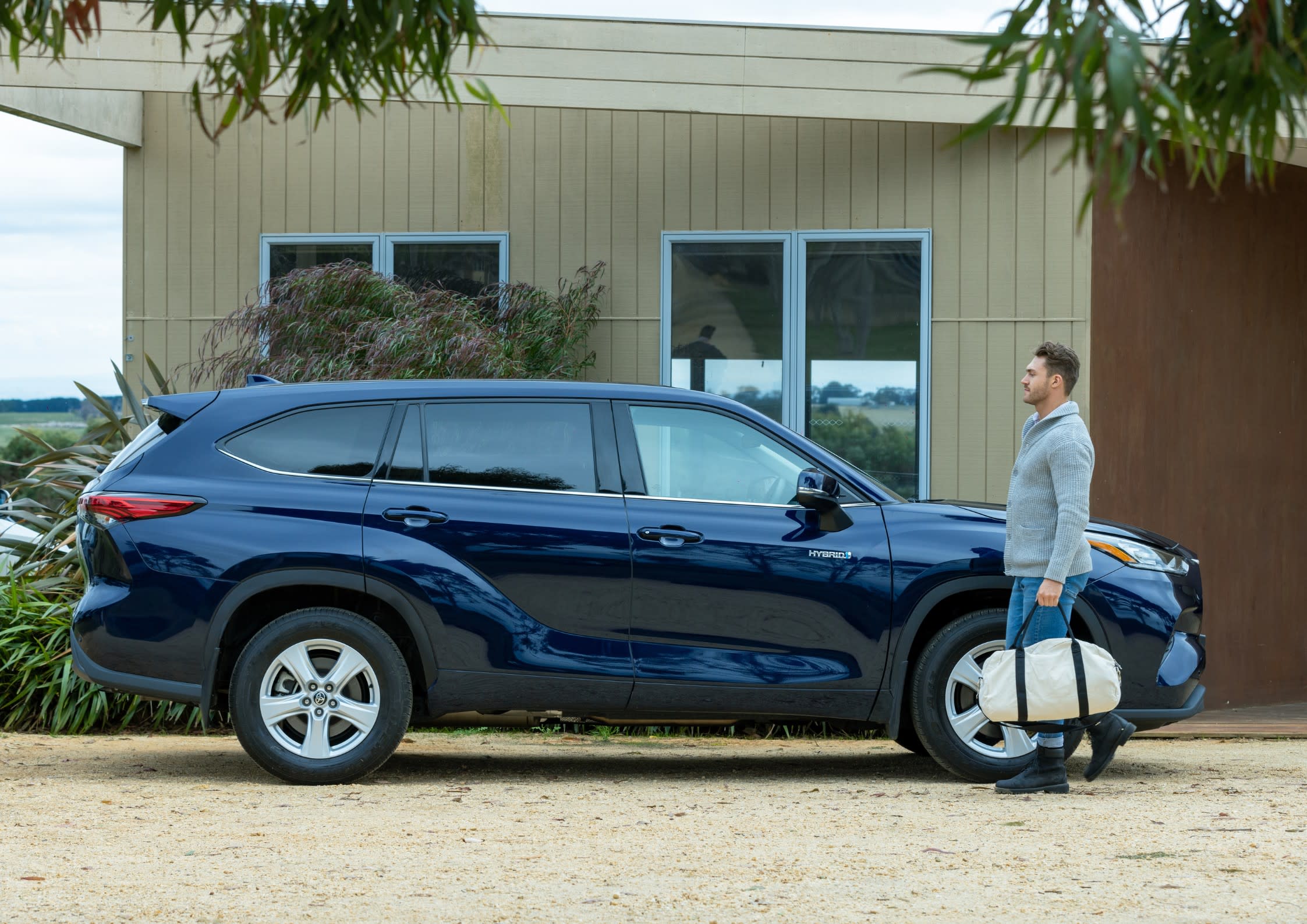

Hybrid Vehicles
Hybrids require no charging at all, which is why they remain so popular with drivers wanting simplicity.
Plug-In Hybrids
Most plug-in hybrids can be conveniently charged overnight at home using either a standard outlet or wall charger.
For many Sydney households, especially suburban homes with garages or driveways, this setup works well.
EVs
Fully electric vehicles rely entirely on charging access, making home charging one of the biggest advantages for EV ownership.
While public charging infrastructure across Sydney continues improving rapidly, long-distance travel still requires a little more planning than petrol or hybrid ownership.
For apartment dwellers or households without dedicated parking, charging access may still be a consideration before purchasing an EV.
Which Option Works Best for Families?
For many families, practicality matters just as much as fuel savings.
Questions worth considering include:
- How far do we drive each week?
- Do we regularly travel long distances?
- Do we have access to charging at home?
- Will this mainly be used for school runs and commuting?
Hybrids
Hybrids remain one of the most practical options for busy families because they require no lifestyle adjustment while still reducing fuel usage.
They are especially well suited to:
- school runs
- daily commuting
- shared family vehicles
- unpredictable schedules
Plug-In Hybrids
PHEVs can work extremely well for families who mostly drive locally during the week but still want flexibility for weekends away or longer road trips.
EVs
Modern electric SUVs are becoming increasingly family-friendly, offering:
- spacious interiors
- advanced safety technology
- smooth and quiet driving
- lower ongoing costs
For metro-based families with charging access at home, EV ownership is becoming more practical every year.
Long-Distance Driving: What Should Buyers Consider?
Long-distance driving is where buyer priorities become especially important.


Hybrids
Hybrids remain one of the easiest vehicles for regional and long-distance Australian driving because they operate much like traditional petrol vehicles.
No charging stops. No route planning.
Plug-In Hybrids
Plug-in hybrids offer flexibility by combining electric driving for shorter trips with petrol backup for longer journeys.
For many Australians, this balance provides peace of mind without range anxiety.
EVs
EV technology continues improving rapidly, with many modern EVs now capable of impressive driving ranges.
However, drivers who frequently travel regionally, tow trailers, or complete very long road trips may still prefer the convenience and flexibility of a hybrid or plug-in hybrid for now.
So, Should You Buy a Hybrid, Plug-In Hybrid or EV?
The best option ultimately depends on your lifestyle and driving habits.
A Hybrid May Suit You If:
- you want lower fuel costs without charging
- you mainly drive in city traffic
- you want a simple transition from petrol
A Plug-In Hybrid May Suit You If:
- you have access to home charging
- your weekday driving is relatively short
- you still want flexibility for long-distance travel
An EV May Suit You If:
- you can charge at home
- most driving is metro-based
- you want the lowest day-to-day running costs
- you’re comfortable planning charging for longer trips
As hybrid and electric vehicle technology continues evolving, Australian buyers now have more options than ever before. The key is choosing the vehicle type that genuinely suits your lifestyle, driving habits and future plans.